The Future of Charging: How Wireless Technology is Changing the Game
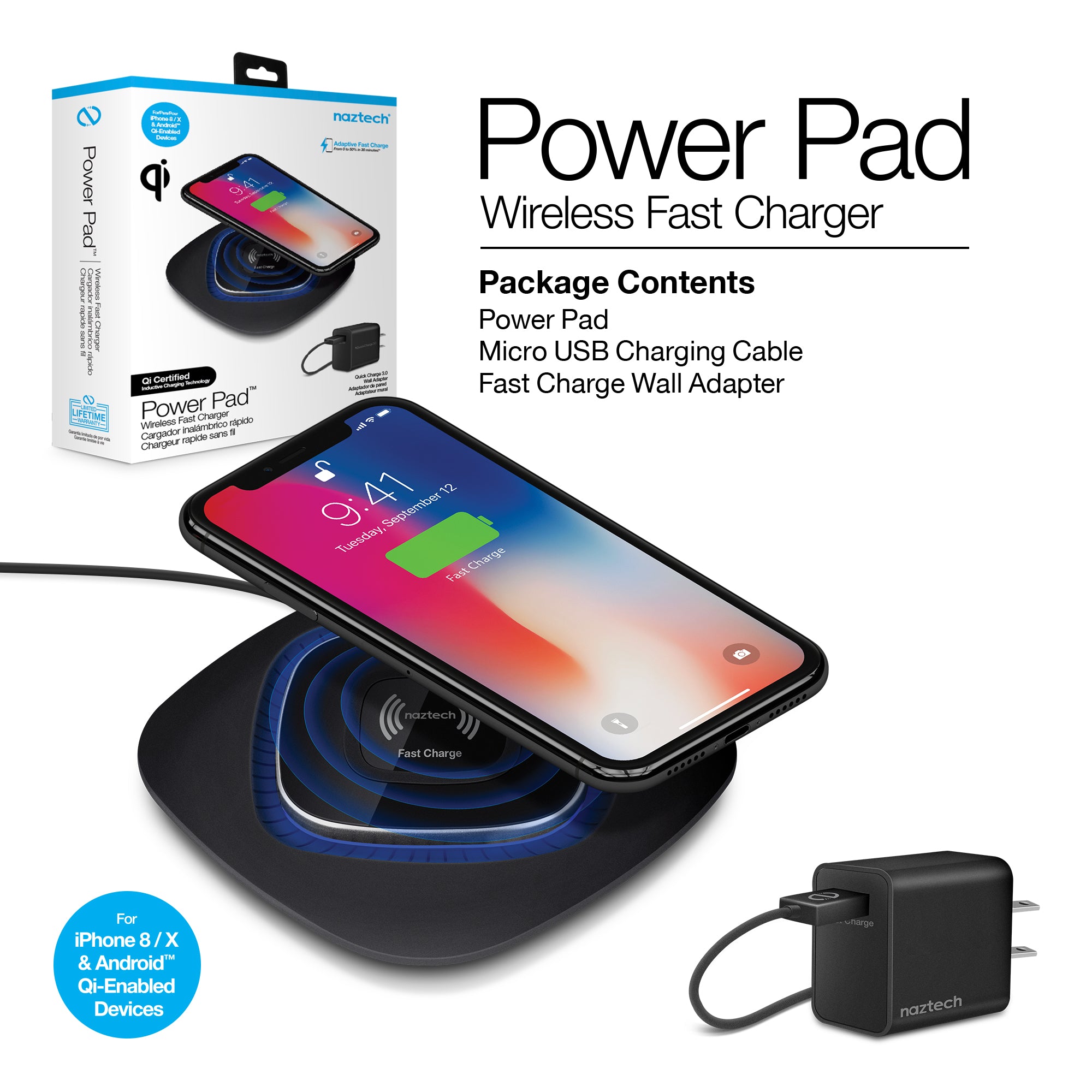
The future of charging is rapidly evolving, and wireless technology is at the forefront of this transformation. As convenience becomes a top priority for consumers, the adoption of wireless charging solutions is on the rise. No longer are users tethered to traditional charging cables; instead, they can simply place their devices on a charging pad. This innovation not only enhances user experience but also significantly reduces wear and tear on device ports. Furthermore, advancements in wireless technology are leading to faster charging times and increased efficiency, making it a viable option for a wide range of devices, from smartphones to electric vehicles.
The implications of these developments are profound. With the rise of wireless charging, we are likely to see an increase in public charging stations that utilize this technology, allowing users to power up their devices without the hassle of plugging in. Additionally, wireless charging holds the potential to integrate seamlessly into furniture and public spaces, creating a truly connected environment. As we look ahead, it is clear that the future of charging is not just about convenience but also about creating a more sustainable and user-friendly ecosystem that aligns with modern lifestyles.
Counter-Strike is a popular first-person shooter game that has become a staple in the gaming community. Players join either the Terrorist or Counter-Terrorist factions and engage in various game modes, focusing on teamwork, strategy, and skill. For those looking to enhance their gaming experience, check out our Top 10 Wireless Chargers for Pixel Devices to keep your devices powered up during intense matches.
Top 5 Benefits of Switching to a Wireless Charger
In today's fast-paced world, wireless chargers have emerged as a convenient and efficient solution for powering up our devices. One of the main benefits is the simplicity of use. With a wireless charger, you simply drop your compatible device onto the charging pad without the hassle of plugging in cables. This eliminates the wear and tear on charging ports, prolonging the lifespan of your devices. Moreover, the absence of tangled cords makes for a cleaner, clutter-free space, enhancing both aesthetics and functionality.
Another significant advantage of switching to a wireless charger is the enhanced safety feature. Traditional charging cables can overheat or become damaged, posing risks of electric shocks or fires. In contrast, most wireless chargers are designed with advanced safety mechanisms that monitor temperature and prevent overcharging. Additionally, many wireless chargers utilize cutting-edge technology such as Qi certification, ensuring that your device charges efficiently and safely. Overall, transitioning to a wireless charging solution not only elevates user experience but also safeguards your valuable gadgets.
Is Wireless Charging Right for You? Pros and Cons Explained
Wireless charging has gained significant popularity in recent years, offering a convenient way to power up your devices without the hassle of tangled cords. Is wireless charging right for you? To answer this question, it's essential to consider the pros and cons of this technology. On the positive side, wireless chargers are user-friendly—simply place your device on the charging pad, and you're good to go. Additionally, they often involve less wear and tear on your device's charging port, potentially extending its lifespan. However, one of the significant downsides is charging speed. Wireless charging tends to be slower than traditional wired charging, which might be a deal-breaker for users who prioritize quick energy top-ups.
When evaluating if wireless charging meets your needs, it helps to weigh the advantages against the disadvantages. For instance, pros include enhanced convenience and reduced clutter, especially in a workspace where multiple devices need to be charged. On the flip side, cons involve issues such as compatibility, as not all devices support wireless charging. Additionally, heat generation during charging can affect device performance over time. Ultimately, the decision hinges on your lifestyle and priorities. If you value convenience and are willing to accept slower charging speeds, then wireless charging may be the perfect fit for you.