Understanding the Basics of Wireless Charging: How Does It Work?
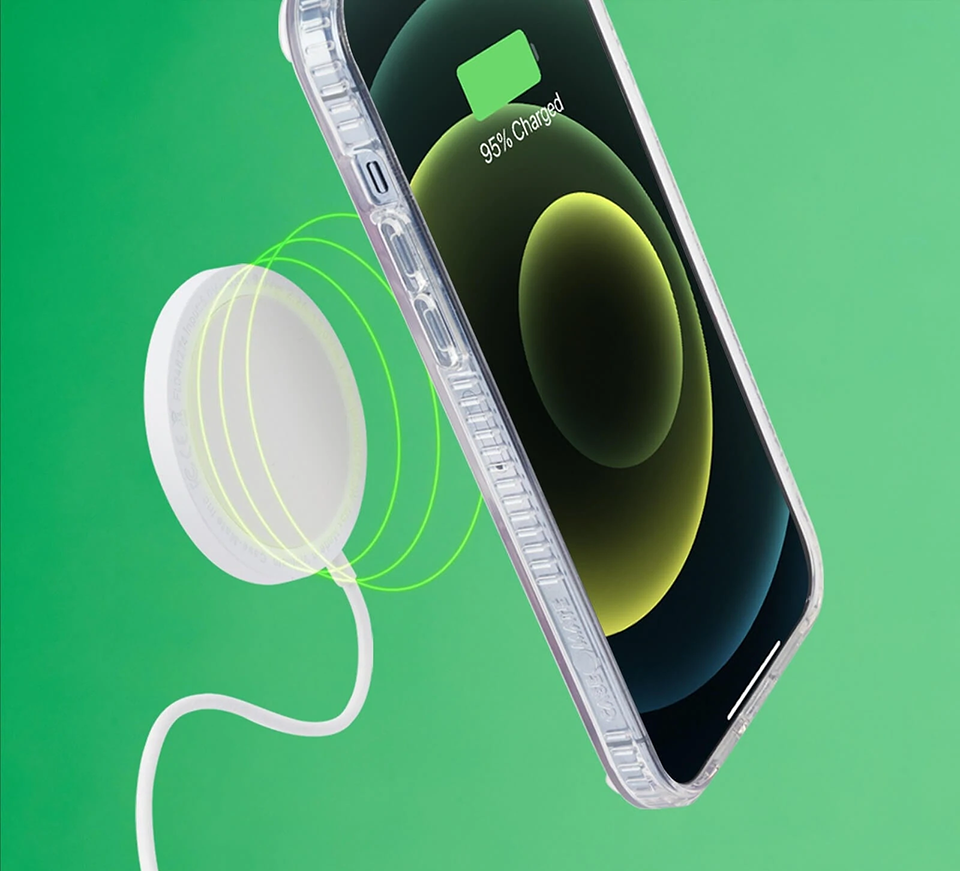
Wireless charging is a technology that allows electronic devices, such as smartphones and smartwatches, to be charged without the need for physical cables. This is achieved through a process known as electromagnetic induction. Essentially, a charging pad generates an alternating electromagnetic field, which is then captured by a coil within the device. When the device is placed on the charging pad, the energy from the electromagnetic field is converted back into electrical energy, allowing the device to charge efficiently. This method not only provides convenience but also reduces wear and tear on charging ports.
To understand how wireless charging works, it’s important to highlight three main components involved in the process: the charging pad, the transmitter coil, and the receiver coil. The charging pad acts as the transmission source, creating the magnetic field. The transmitter coil is embedded in the pad, while the receiver coil resides within the device. When aligned correctly, the electromagnetic field transfers energy to the receiver coil, which converts it into usable power. This seamless method of charging has gained popularity due to its efficiency and the growing number of devices that support wireless charging.
Counter-Strike is a popular first-person shooter game that has captivated players worldwide since its initial release in the late 1990s. The game focuses on team-based gameplay, where players can choose to be either terrorists or counter-terrorists, each with unique objectives. In addition to its thrilling gunplay and tactical gameplay, players often look for ways to enhance their gaming setup; for example, you might want to explore the Top 10 Nightstand Charging Docks for iPhone to keep your devices charged while you engage in intense matches.
Top Wireless Charging Devices: What You Need to Know
As the world becomes increasingly reliant on mobile devices, the demand for wireless charging devices is on the rise. These innovative gadgets eliminate the hassle of tangled cables and provide a convenient way to keep your devices powered up. When considering the best options available, it's essential to look at key features such as charging speed, compatibility with various device types, and safety certifications. Popular brands like Anker, Belkin, and Samsung offer several models, so be sure to check reviews to find the perfect fit for your charging needs.
One of the most significant advantages of utilizing wireless charging devices is their ability to reduce physical wear and tear on charging ports, which can extend the lifespan of your gadgets. Additionally, many newer smartphones are designed with wireless charging technology built-in, making them compatible with Qi-certified chargers. When selecting a wireless charger, consider whether you prefer a pad or stand style for optimal convenience. With prices becoming more affordable and an increasing variety of designs, now is the ideal time to integrate this technology into your daily routine.
Is Wireless Charging Safe? Debunking Common Myths
Wireless charging has become a popular convenience for many smartphone users, but questions regarding its safety often linger. One common myth is that wireless charging can cause overheating, potentially damaging your device. In reality, reputable wireless chargers incorporate safety features such as automatic shut-off mechanisms and temperature control to prevent overheating. These features ensure that your device remains within safe temperature limits throughout the charging process, making modern wireless charging as safe as traditional charging methods.
Another myth surrounding wireless charging is the idea that it can harm your battery's lifespan. Some users fear that the frequent connection and disconnection associated with wireless chargers can degrade battery health faster than wired charging. However, studies have shown that the actual impact on battery health is minimal as long as you use a high-quality charger. In fact, many modern batteries have built-in management systems that optimize charging cycles, further mitigating any potential damage from the occasional use of wireless charging.