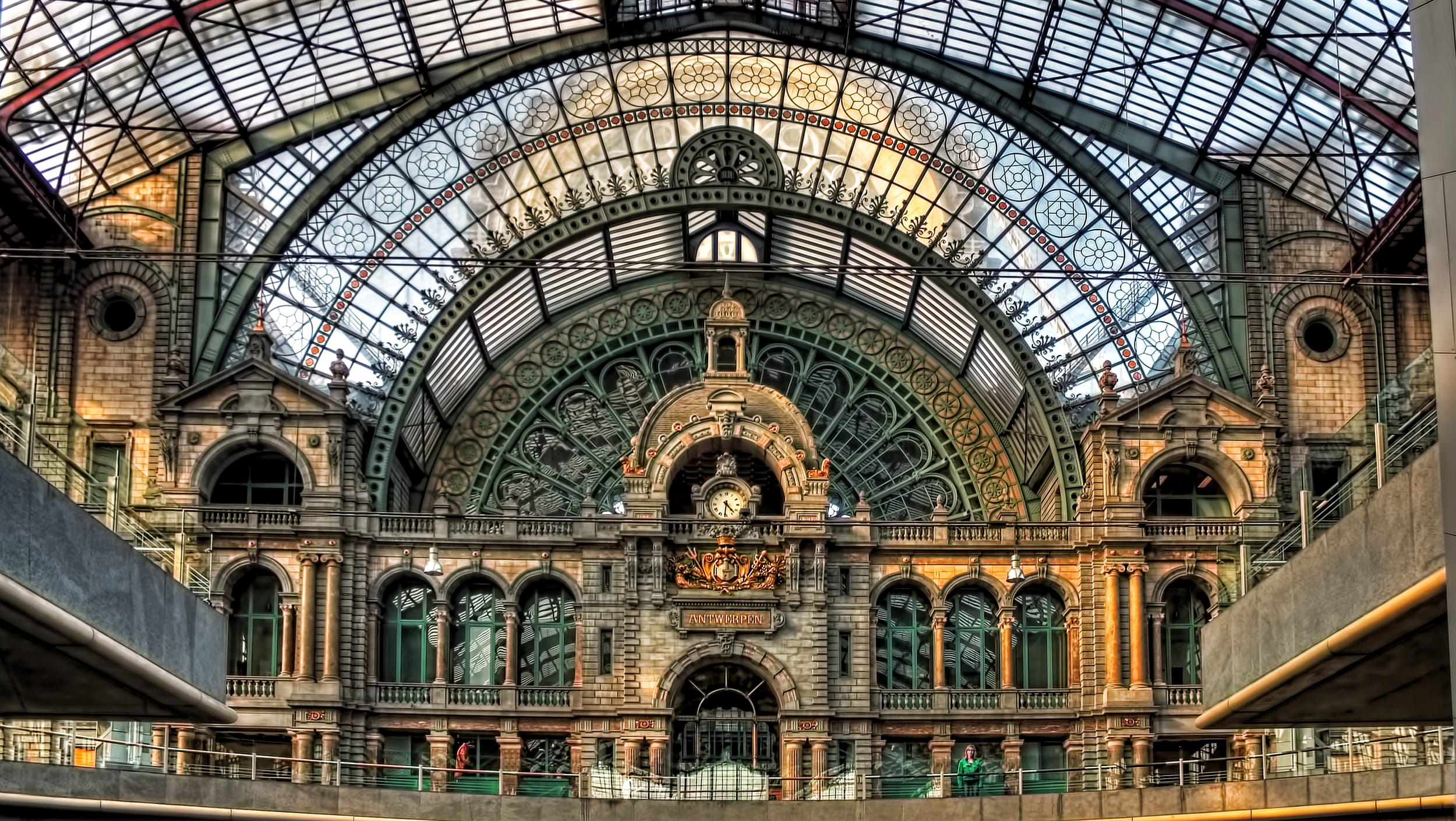
The Impact of Quirky Stations on Urban Mobility: A Comprehensive Guide
The rise of quirky stations has transformed urban mobility, creating unique hubs that go beyond mere transportation. These stations often feature innovative designs and local art, making them landmarks in their own right. By fostering a sense of community and identity, they encourage residents to view public transit as not just a means to an end, but as an integral part of the urban experience. Moreover, such stations often integrate additional amenities like cafes and retail spaces, enhancing their appeal and functionality. Studies show that transit systems incorporating quirky stations witness higher ridership and increased local business engagement, ultimately redefining the role of public transport in city planning.
In addition to aesthetic and community benefits, quirky stations play a pivotal role in improving mobility through mixed-use development. By incorporating residential, retail, and recreational spaces into the transit landscape, cities can create vibrant, multidimensional environments that attract diverse populations. The impact of quirky stations extends to environmental sustainability as well, as they often encourage a shift from car dependency to public transport usage. This leads to reduced traffic congestion and lower emissions, aligning with broader goals of urban sustainability. For city planners and stakeholders, investing in quirky stations is not just about transportation; it's about creating a cohesive urban ecosystem that thrives on accessibility and engagement.
Counter-Strike is a highly popular first-person shooter franchise that focuses on team-based gameplay and tactical strategy. Players can choose to be part of either the terrorist or counter-terrorist team, with objectives that may involve bomb planting, hostage rescue, or other mission-specific tasks. For gamers looking to fuel their sessions, check out the Top 10 charging stations that can keep their devices powered up during intense matches.
How Quirky Stations Foster Community and Tourism in Cities
Quirky stations serve as more than just transit points; they are vibrant hubs that bring communities together and attract tourists from near and far. With their unique architecture, colorful murals, and often playful installations, these stations create a sense of identity and pride among local residents. For instance, many cities have seen a surge in foot traffic and local businesses flourishing around these eccentric transit spots, showcasing how a simple train or bus stop can transform into a thriving community space. Furthermore, quirky stations often host events, fairs, and art exhibitions, further enhancing their role as community gathering spots.
Tourism also benefits greatly from these unconventional stations, as they become must-see destinations in their own right. Travelers often seek out memorable experiences, and visiting a quirky station offers a blend of culture and creativity that traditional transit hubs may lack. For example, social media platforms are flooded with images of strikingly designed stations, encouraging others to explore these unique sites. As a result, cities harness the power of their quirky stations to create themed tours or promotional events, which showcase not only the stations themselves but also the local culture and attractions that surround them, cementing their role as vital components of urban tourism.
What Makes a Station 'Quirky'? Exploring the Unique Features of Urban Travel Hubs
When we think of urban travel hubs, it's easy to envision bustling terminals filled with travelers. However, some stations stand out as particularly quirky, showcasing unique characteristics that set them apart from the rest. These features can range from unusual architectural designs to unexpected art installations. For instance, the quirkiness of a station can be highlighted by a whimsical theme, like the whimsical sculptures adorning the walls or vibrant murals that tell a story about the city's culture. Additionally, many of these hubs incorporate local elements into their infrastructure, such as a rooftop garden or a farmer's market, making them not just transit points but also community gathering spaces.
Moreover, the atmosphere of a quirky station contributes significantly to its character. Travelers may find live music performances or street artists, creating an inviting ambience that transforms a mundane wait into a delightful experience. Some stations even host themed events—like quirky holiday markets or seasonal festivals—that enhance the travel experience and encourage exploration of the surrounding area. To sum up, it's the combination of unique aesthetics, artistic expression, and community engagement that make urban travel hubs not just functional, but truly quirky and memorable destinations in their own right.