Understanding Ergonomics: How It Enhances Your Productivity
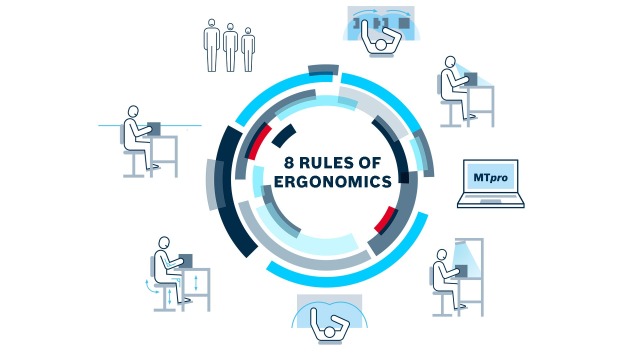
Understanding ergonomics is crucial for anyone looking to boost their productivity at work or home. Ergonomics refers to the science of designing the workplace, keeping in mind the limitations and capabilities of the worker. Proper ergonomic practices can help reduce the risk of injuries and discomfort, ultimately leading to a more efficient working environment. By optimizing your workspace layout—including your chair, desk height, and the arrangement of your computer and other tools—you can create a setup that enhances your comfort and focus, allowing you to concentrate on your tasks without distraction.
Implementing effective ergonomic solutions can significantly impact your daily productivity. Studies show that professionals with ergonomically designed workspaces experience less fatigue and discomfort, which leads to improved concentration and overall performance. Some key practices include:
- Maintaining proper posture while sitting or standing
- Adjusting your monitor to eye level to avoid neck strain
- Utilizing ergonomic accessories like keyboards and mice
By prioritizing ergonomics, you can foster a healthier work environment that not only enhances your productivity but also promotes long-term well-being.
Counter-Strike is a popular first-person shooter game that has captivated gamers since its release. Players can choose to play as terrorists or counter-terrorists, engaging in tactical team-based gameplay. For those looking to enhance their gaming experience, consider exploring the Top 10 work from home accessories that can help improve setup and comfort during long gaming sessions.
The Top 5 Ergonomic Tools to Transform Your Workspace
Creating an ergonomic workspace is essential for maximizing productivity and minimizing discomfort. Below are the top 5 ergonomic tools that can help transform your work environment:
- Adjustable Standing Desk - This versatile piece of furniture allows you to switch between sitting and standing, reducing the risk of back pain and promoting better posture.
- Ergonomic Office Chair - An ergonomic chair supports your lower back, encourages proper spinal alignment, and reduces fatigue during long working hours.
- Keyboard and Mouse - Opt for ergonomic designs that minimize strain on your wrists, such as vertical mice and split keyboards, to enhance comfort while typing.
- Monitor Stand - Elevating your monitor to eye level helps prevent neck strain and improves overall viewing comfort.
- Footrest - A footrest can improve posture by keeping your feet flat and legs at a comfortable angle, providing additional support to your back.
Is Your Workstation Hurting You? Signs You Need an Ergonomic Assessment
In today's digital age, many of us spend long hours at our workstations, but is your workstation hurting you? Prolonged periods of poor posture can lead to chronic pain and discomfort, which is why it's essential to recognize the signs that you may need an ergonomic assessment. Common indicators that your workspace might be causing harm include persistent neck or back pain, frequent headaches, and numbness in your arms or hands. If you find yourself adjusting your position often or experiencing fatigue by the end of the day, these could be early warning signs that your workstation setup is not optimal for your health.
Another critical aspect to consider is your workspace layout. Are you straining to see your computer screen, or is your chair uncomfortable? If your workstation setup forces you to lean, twist, or stretch uncomfortably, it's time to take action. Review your workspace for ergonomic best practices: a chair that supports your lower back, a desk at the right height, and monitor screens positioned at eye level. By acknowledging these signs and making adjustments through an ergonomic assessment, you can significantly enhance your comfort and productivity while reducing the risk of long-term injuries.