Are You Sitting Comfortably? The Hidden Dangers of Poor Desk Ergonomics
Are you sitting comfortably? In today’s fast-paced digital world, many individuals find themselves spending hours at their desks, often neglecting the critical aspect of desk ergonomics. Poor desk setup can lead to a myriad of health problems, ranging from neck and back pain to repetitive strain injuries. The hidden dangers of inadequate ergonomics are not always immediately apparent, but they can have long-term effects on your well-being. For instance, improper chair height can cause discomfort in your lower back, while an incorrect monitor position can lead to eye strain and headaches. It's essential to understand these risks to create an effective and supportive workspace.
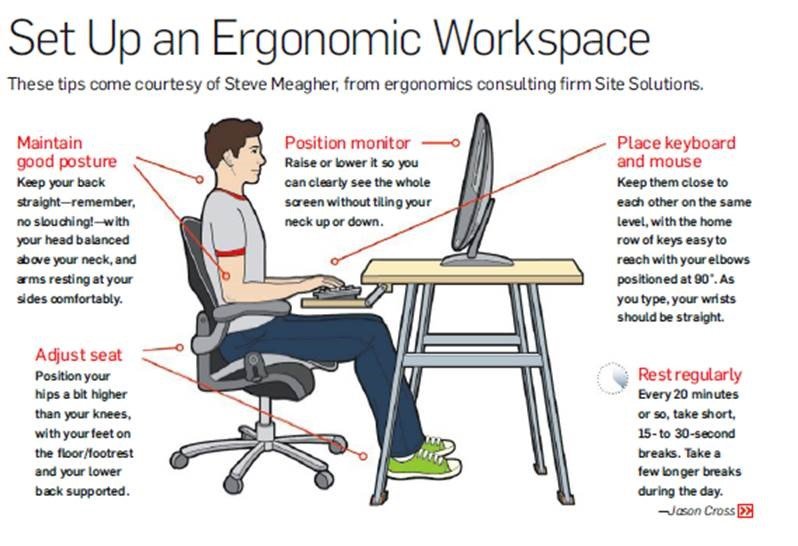
To combat these issues, consider implementing the following ergonomic principles:
- Chair Height: Your feet should rest flat on the ground, with thighs parallel to the floor.
- Monitor Position: Keep the top of your screen at eye level to avoid straining your neck.
- Keyboard Setup: Position your keyboard so that your elbows are at a 90-degree angle and your wrists are straight.
Counter-Strike is a highly popular tactical first-person shooter game that emphasizes teamwork and strategy. Players can choose to be part of either the terrorist or counter-terrorist team, with various objectives to complete in each round. For those looking to enhance their gaming experience, exploring the Top 10 Desk Setup Trends could provide valuable inspiration for creating an optimal environment.
5 Essential Tips to Transform Your Workspace into an Ergonomic Paradise
Creating an ergonomic workspace is essential for enhancing productivity and ensuring long-term health. Here are 5 essential tips to transform your workspace into an ergonomic paradise:
- Invest in an Ergonomic Chair: A good chair supports your back and promotes good posture. Look for adjustable features to fit your body type.
- Optimize Your Desk Height: Your desk should be at elbow height when seated, allowing your forearms to rest comfortably.
- Position Your Monitor Correctly: The top of your monitor should be at eye level, about an arm's length away, to reduce neck strain.
- Use an Adjustable Keyboard and Mouse: These should allow your wrists to maintain a neutral position while typing.
- Incorporate Movement: Take regular breaks to stretch and walk around, promoting circulation and reducing fatigue.
Is Your Desk Working Against You? Signs You're in an Ergonomics Crisis
In today's digital age, many of us spend countless hours at our desks, often neglecting the crucial aspect of ergonomics. If you find yourself experiencing chronic pain in your neck, shoulders, or wrists, it may be a sign that your work setup is working against you. Here are some prominent indicators of an ergonomics crisis:
- Frequent discomfort: If you often feel discomfort or stiffness after long hours at your desk, this is a clear signal that your workspace may not be properly adjusted to your body's needs.
- Poor posture: Slouching or leaning forward while working is a common sign of an ineffective desk setup.
Additionally, visual fatigue can indicate that your screen is positioned too low or too high, causing unnecessary strain on your eyes. An ergonomics crisis can lead to decreased productivity and long-term health issues. It's essential to assess your current workspace setup. Consider asking yourself:
- Is my chair providing adequate support?
- Are my feet flat on the ground or on a footrest?
- Is my monitor at eye level to minimize neck strain?
Making small adjustments to your desk environment can significantly enhance your comfort and efficiency at work.