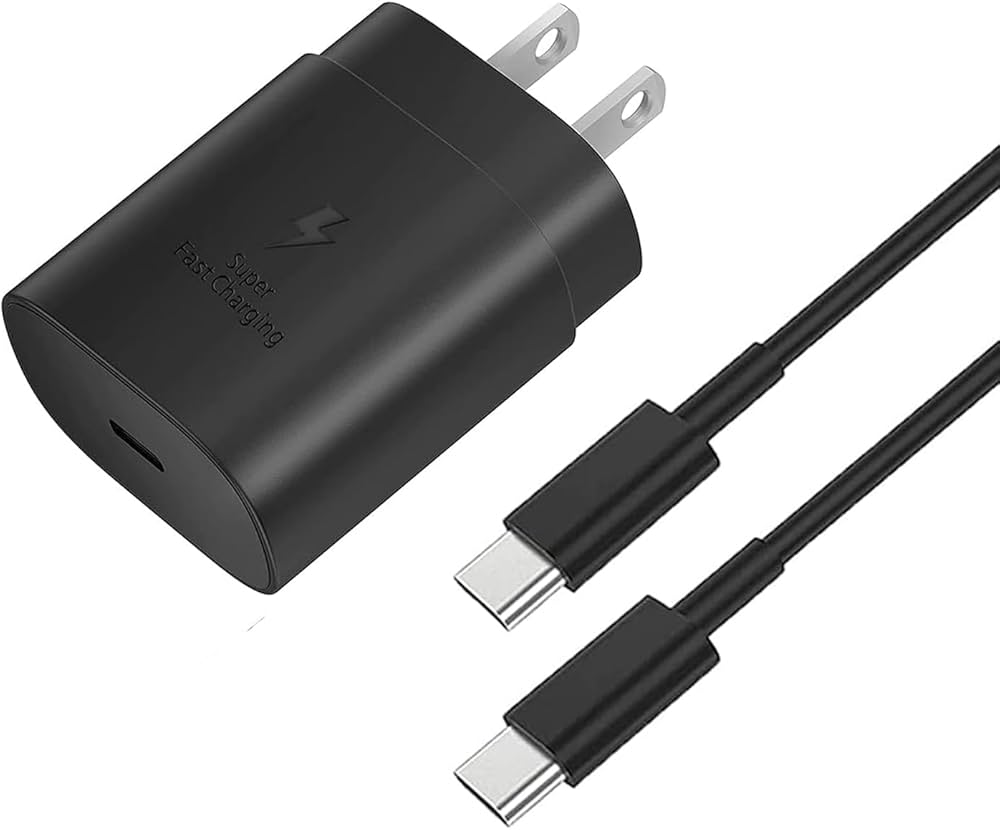
The Science Behind Fast Charging: How Does It Work?
Fast charging technology has revolutionized the way we power our devices, allowing users to recharge their smartphones, tablets, and electric vehicles in a fraction of the time it used to take. At its core, the science behind fast charging relies on increased voltage and current levels that significantly enhance the rate of energy transfer. Unlike traditional chargers that typically operate at a standard voltage of 5 volts, many fast chargers utilize higher voltages, often ranging from 9 to 20 volts. This voltage boost enables more power to flow into the battery, accelerating the charging process and reducing the time spent tethered to a wall outlet.
Another critical element of fast charging is the use of advanced battery management systems. These systems intelligently monitor the battery's temperature, voltage, and current to optimize the charging process. For instance, during the initial charging phase, the system might allow for higher current levels to quickly pump energy into a depleted battery. As the battery approaches full capacity, the current is gradually reduced to prevent overheating and prolong battery lifespan. This smart management not only enhances charging speed but also ensures safety and efficiency, making fast charging a practical solution for our increasingly power-hungry devices.
Counter-Strike is a highly popular first-person shooter game that emphasizes teamwork and strategy. Players can choose between two opposing teams: terrorists and counter-terrorists, each with unique objectives. One of the important aspects of the game is ensuring your gear stays charged, so check out the Top 10 wireless chargers for iPhone to keep your devices ready for gaming sessions. With various game modes and constantly evolving maps, Counter-Strike has maintained a dedicated player base since its release.
Top 5 Fast Charging Technologies You Need to Know
In today's fast-paced world, staying connected is more important than ever, and fast charging technologies have emerged as a game-changer for mobile devices and electric vehicles alike. Understanding these technologies can help you choose the right devices that fit your charging needs. Here are the top 5 fast charging technologies you need to know:
- Qualcomm Quick Charge: This popular technology can charge devices up to 4 times faster than conventional charging methods. Quick Charge adjusts the voltage and current depending on the device's requirements, ensuring a minimally invasive yet effective charging experience.
- USB Power Delivery (USB PD): A universal standard, USB PD supports higher power levels, making it compatible with a wide range of devices. From smartphones to laptops, this technology promises faster charging times and versatile usability.
- Samsung Adaptive Fast Charging: Samsung's proprietary technology adapts the charging speed based on the battery's current status, providing efficiency and optimizing battery longevity.
- Apple Fast Charge: With compatible devices, Apple's fast charging feature allows you to charge up to 50% in just 30 minutes, making it ideal for users on the go.
- VOOC (Voltage Open Loop Multi-Step Constant-Current Charging): Developed by Oppo, VOOC technology uses a low voltage and high current combination to enable extremely rapid charging without overheating.
Is Fast Charging Bad for Your Battery Life? Debunking the Myths
As smartphones and tablets have evolved, the technology of fast charging has become increasingly prevalent, leading to a common question: is fast charging bad for your battery life? The simple answer is, it largely depends on the quality of the fast charging technology used. Most modern devices are designed to handle fast charging without causing significant harm to the battery. Manufacturers incorporate features that manage battery temperature and charge cycles, optimizing the charging process to extend battery longevity. Thus, when using certified fast chargers, you can enjoy rapid charging without substantial risk to your battery health.
Despite rampant myths suggesting that fast charging can permanently damage your battery, it's essential to understand that batteries are engineered to cope with heat and power demand inherent in fast charging. In fact, several studies indicate that the real culprits behind battery degradation are factors such as extreme temperatures and high charge cycles rather than the fast charging process itself. Therefore, to maintain your battery's health, focus on keeping your device away from excessive heat and avoid letting your battery drop to critically low levels too frequently, rather than worrying excessively about the implications of fast charging.