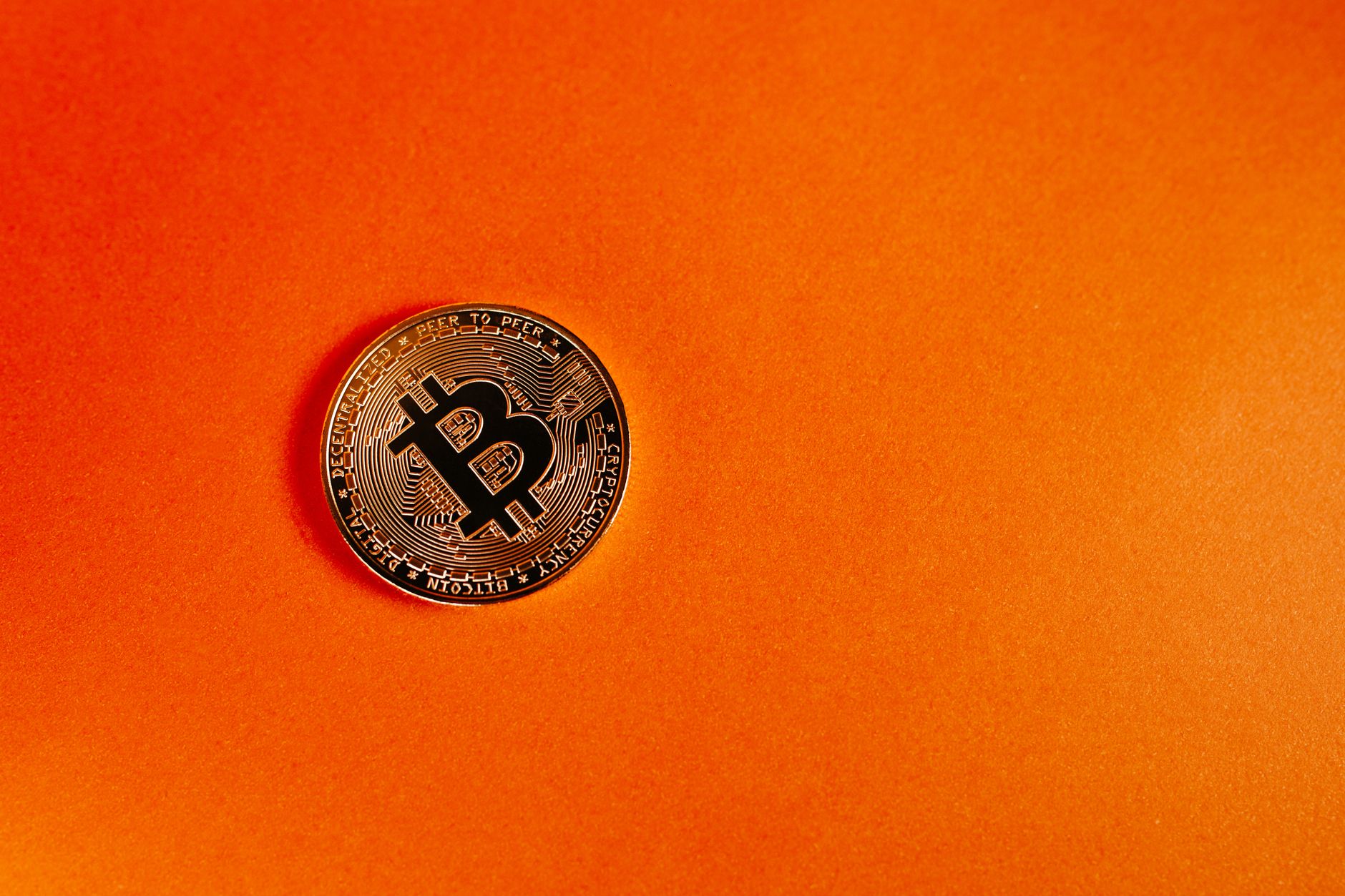
**Demystifying Decentralized World Cup Betting: What it is, How it Works, and Why it Matters for Your Bets** (Here we tackle common questions like "What's the difference between a decentralized platform and a traditional bookie?", "How do I even place a bet on one of these things?", and "Is it actually safer?". We'll explain smart contracts in simple terms and offer practical tips for choosing a reliable platform, understanding odds, and managing your bankroll effectively.)
Navigating the burgeoning landscape of decentralized World Cup betting can feel like stepping into a new dimension, especially when compared to the familiar confines of traditional bookmakers. The fundamental distinction lies in control and transparency: traditional bookies operate as centralized entities, holding your funds and dictating terms, whereas decentralized platforms leverage blockchain technology and smart contracts to eliminate intermediaries. This means your bets are executed and paid out automatically by code, verifiable by anyone on the network, rather than relying on a single company's integrity. Questions like "Is it actually safer?" are often met with a resounding yes from proponents, citing the immutability of smart contracts and the removal of single points of failure. However, this also introduces new considerations, such as the need for self-custody of your cryptocurrency and a deeper understanding of wallet security.
Placing a bet on a decentralized platform, while initially seeming complex, is becoming increasingly user-friendly. The core mechanism revolves around smart contracts – self-executing contracts with the terms of the agreement directly written into lines of code. When you place a bet, you're essentially interacting with one of these contracts. To get started, you'll typically need a cryptocurrency wallet (like MetaMask), some cryptocurrency (often Ethereum or a stablecoin), and an understanding of the platform's interface. Practical tips for choosing a reliable platform include:
- Audited Smart Contracts: Look for platforms whose smart contracts have been independently audited for security vulnerabilities.
- Community Engagement: A strong and active community often signifies a healthy and trustworthy platform.
- Transparent Odds: Ensure the odds are clearly displayed and calculated fairly.
Decentralized World Cup betting platforms offer a revolutionary approach to wagering on the global football spectacle, leveraging blockchain technology to ensure transparency, fairness, and censorship resistance. These platforms empower users by removing intermediaries, providing direct peer-to-peer betting opportunities, and often offering better odds and lower fees compared to traditional bookmakers. For those interested in exploring this innovative space, you can learn more about decentralized World Cup betting and its benefits, including enhanced security and the ability to bet from anywhere in the world without geographical restrictions.
**From Fiat to Fair Play: Navigating Crypto, Wallets, and Winning Strategies for World Cup 2026** (This section guides readers through the practicalities of getting started, including recommendations for beginner-friendly crypto exchanges, setting up a secure wallet, and understanding gas fees. We'll also delve into betting strategies unique to decentralized platforms, such as arbitrage opportunities, leveraging community insights, and understanding the impact of on-chain data on market movements, all while addressing concerns about volatility and security.)
Embarking on your decentralized betting journey for World Cup 2026 starts with a few crucial practical steps. First, selecting a beginner-friendly crypto exchange is paramount. Platforms like Coinbase or Kraken offer intuitive interfaces and robust security features, making them ideal entry points for converting your fiat currency into crypto. Once you’ve acquired your chosen cryptocurrency, typically Ethereum (ETH) for many decentralized applications, the next step is setting up a secure non-custodial wallet. MetaMask is a popular choice, allowing you full control over your assets. Understanding transaction costs, commonly known as gas fees, is also vital. These fluctuate based on network congestion, so learning to monitor and anticipate lower gas fee periods can significantly reduce your operational costs, ensuring more of your capital is available for strategic betting.
Beyond the initial setup, mastering winning strategies on decentralized betting platforms requires a nuanced understanding of their unique mechanics. One compelling avenue is exploring arbitrage opportunities, where price discrepancies across different platforms for the same match outcome can be exploited for risk-free profit. Furthermore, leveraging community insights from dedicated Discord channels or Telegram groups can provide invaluable pre-match analysis and sentiment, often quicker than traditional sports media. A key differentiator is the impact of on-chain data; monitoring large whale transactions or significant liquidity shifts can signal impending market movements before they’re reflected on centralized exchanges. While the promise of decentralized betting is exciting, always remain mindful of
concerns about volatility and security. Diversifying your bets and never risking more than you can afford to lose are fundamental principles, alongside diligently researching the security audits of any new platform you engage with.