The Science Behind Sound Quality: How Your Ears Perceive Audio Clarity
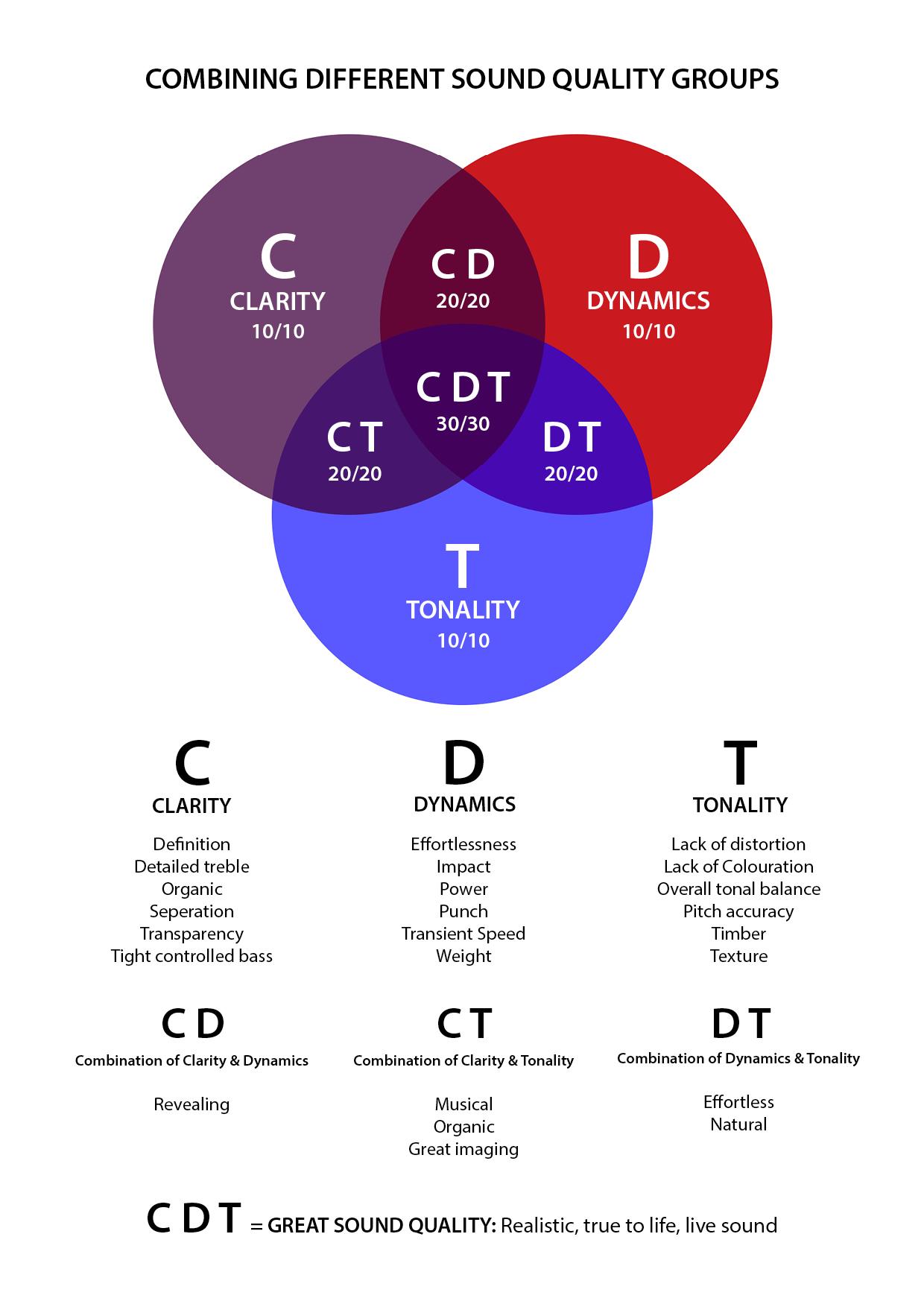
The perception of sound quality is a complex interplay between the physical properties of audio and the biological mechanisms of the human ear. The science behind sound quality begins with understanding how sound waves travel through the environment, creating vibrations that are detected by our ears. These vibrations are funneled into the ear canal and cause the eardrum to vibrate, transmitting signals to the auditory ossicles and eventually reaching the cochlea. Inside the cochlea, tiny hair cells translate these mechanical movements into electrical impulses that the brain interprets as sound. Factors such as frequency response, dynamic range, and distortion play critical roles in defining audio clarity; our ability to discern these elements significantly influences our overall listening experience.
Furthermore, the brain processes audio information by utilizing various auditory cues, allowing us to distinguish between different sounds and their qualities. For instance, the clarity of audio greatly depends on how well we can separate overlapping frequencies—an ability that varies from person to person. Factors such as ambient noise, listening environment, and even individual ear anatomy can dramatically affect how we perceive sound. High-quality audio often results from precise engineering choices such as bitrate, sampling frequency, and codec selection, which all aim to enhance the listening experience. As we delve deeper into the science of sound quality, it becomes clear that achieving optimal audio clarity is as much about the technology as it is about human perception.
Counter-Strike is a highly popular first-person shooter game that emphasizes teamwork, strategy, and tactical gameplay. Players engage in intense matches, often in a bomb defusal or hostage rescue scenario. For gamers looking to enhance their experience, check out the Top 10 Secure Fit Ear Fins for AirPods to ensure a comfortable audio experience during long gaming sessions.
Common Sound Quality Problems: Are You Hearing What You Think You Are?
When it comes to audio quality, many listeners often take for granted the sounds they hear. However, common sound quality problems can significantly alter your auditory experience without you even realizing it. Factors such as compression, distortion, and phase issues can affect how music, podcasts, or any other audio is perceived. For instance, poorly compressed audio may lose vital frequencies, resulting in a flat sound that lacks the depth and richness intended by the creator. To better understand these issues, consider the following:
- Compression artifacts that can lead to a 'muffled' listening experience.
- Distortion that creates a harsh and unpleasant sound.
- Phase issues that can cause echoes or swallowing of key audio elements.
Moreover, sound quality problems can stem from environmental factors as well. Background noise, acoustic treatment, and even the quality of your playback equipment can dramatically influence what you hear. It's essential to ensure your listening environment is optimized for sound by minimizing distractions and choosing high-quality speakers or headphones. Pay attention to how these components interact, as they can either enhance or deteriorate your overall sound experience. Ultimately, understanding and addressing these issues can help you appreciate audio in its entirety, thus ensuring that you are truly hearing what you think you are.
How to Train Your Ears for Better Sound Quality Perception
Training your ears for better sound quality perception is an essential skill for musicians, audiophiles, and anyone passionate about music or sound. To begin, actively listen to different genres of music with high-quality headphones or speakers. Focus on various elements such as the vocals, instruments, and background harmonies. As you immerse yourself in the sound, try to identify the different layers and textures within the audio. You can enhance your listening abilities by participating in exercises like ear training apps or practicing with online resources that challenge your pitch and tone recognition.
Another effective method for developing your sound quality perception is to compare audio formats. Listen to the same track in various formats, such as MP3, FLAC, and vinyl, to discern differences in clarity and depth. Take notes on what you hear and how each format impacts your overall experience. Additionally, consider attending live music events to understand how sound projects in a real-world environment, which can significantly sharpen your auditory skills. Incorporating these practices into your routine will lead to a more refined appreciation of sound quality.