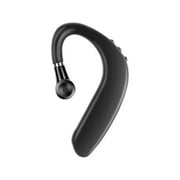
5 Benefits of Hands-Free Living: How to Enjoy Life Without Strings Attached
Embracing hands-free living offers a multitude of benefits that can significantly enhance your quality of life. One of the primary advantages is the freedom of movement. By eliminating the need to constantly hold items or manage burdensome gadgets, you gain the ability to engage fully with your surroundings. This newfound liberty allows you to explore new activities, such as hiking or dancing, without the constraints of conventional equipment. Imagine being able to experience life more spontaneously, as you can focus on enjoying moments rather than managing possessions.
Another compelling benefit of hands-free living is the reduction of stress associated with multitasking. When technology and gadgets become an extension of ourselves, it's easy to feel overwhelmed. By adopting a more minimalistic approach, you can simplify daily routines, freeing up mental space for mindfulness and relaxation. This lifestyle encourages a strong connection with the present moment, allowing for deeper social interactions and a more fulfilling life overall. In essence, it cultivates a sense of peace that is often lost in our hyper-connected world.
Counter-Strike is a highly popular tactical first-person shooter game that has captivated players since its release. The game emphasizes team-based gameplay and strategy, where players can take on the roles of terrorists or counter-terrorists. As players engage in various game modes, they must coordinate with their teammates to secure objectives and outsmart their opponents. For those looking for comfort while gaming, check out the Top 10 iPad Stands for Bed to enhance your gaming setup.
Is Hands-Free Living Right for You? Exploring the Pros and Cons
In today's fast-paced world, hands-free living has emerged as a popular lifestyle choice, offering convenience and efficiency for many. By utilizing technology, such as voice-activated assistants and wearable devices, individuals can perform daily tasks without needing to use their hands actively. This mode of living can significantly enhance productivity, allowing users to multitask effectively, whether it’s cooking dinner while taking a business call or controlling smart home devices while setting the table. However, before diving into hands-free living, it’s essential to consider whether it truly aligns with your lifestyle and preferences.
Despite its numerous advantages, hands-free living also comes with its share of challenges. For instance, reliance on technology can lead to a sense of disconnect from the tangible world, making users feel less engaged. Moreover, potential privacy concerns arise as voice-activated devices continuously listen for commands, which could compromise personal data security. To make an informed decision, weigh the pros and cons:
- Enhanced multitasking capabilities
- Greater convenience in daily routines
- Possible privacy risks
- Reduced engagement with the physical environment
Tips for Transitioning to a Hands-Free Lifestyle: A Step-by-Step Guide
Transitioning to a hands-free lifestyle can significantly enhance your productivity and create a more organized daily routine. Here are some essential tips to help you get started:
- Evaluate Your Current Habits: Take a week to log your daily activities and identify tasks that could benefit from hands-free solutions, whether it be through voice commands or automation.
- Invest in the Right Technology: Devices like smart speakers, voice assistants, and wearable tech can assist you in executing tasks without using your hands. Consider your specific needs and choose gadgets that integrate seamlessly into your life.
- Set Up Your Environment: Organize your space to promote ease of access to hands-free tools. Ensure your smart devices are strategically placed for efficient use during your daily activities.
Once you've set up the foundational tools, it's time to implement changes gradually. Transitioning does not have to be overwhelming. Follow these steps for a smoother adjustment:
- Start Small: Pick a few daily tasks that can be converted to hands-free activities, like setting reminders or playing music through your voice assistant.
- Establish Routines: Consistency is key. Develop morning and evening routines that incorporate hands-free tasks, making the transition feel more natural and less forced.
- Be Patient: Adaptation takes time. Allow yourself to adjust and refine your hands-free approach, making changes based on what works best for you. Remember, the goal is to enhance your lifestyle, not complicate it.