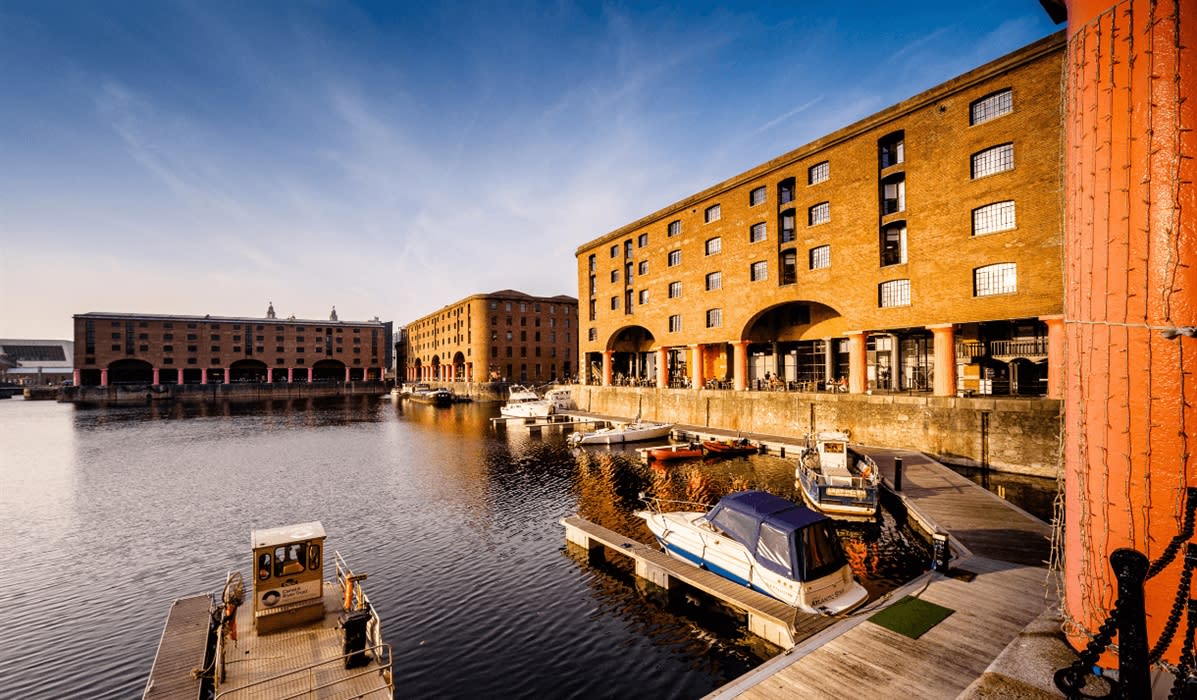
The History of Docks: Connecting Communities and Waterways
The history of docks has played a crucial role in shaping communities and facilitating trade across waterways. Originating in ancient civilizations, these structures served as vital points for the arrival and departure of goods, connecting far-flung regions and fostering economic growth. In cities like Venice and ancient Rome, docks were more than just functional; they were cultural hubs where merchants exchanged not only goods but also ideas and innovations. The rise of industrialization in the 18th and 19th centuries further transformed these spaces, leading to the development of larger, purpose-built docking systems that could accommodate the growing size of maritime trade.
As societies evolved, so did the role of docks. They became lifelines for communities, supporting not just commerce but also social interactions and community events. For instance, many docks have transformed into recreational hotspots, offering amenities such as restaurants, shops, and public spaces that invite locals and tourists alike. Today, as we continue to navigate the challenges of modern-day logistics and environmental concerns, the history of docks remains a testament to the enduring connection between communities and waterways. Understanding this evolution highlights their significance in urban planning and development moving forward.
Counter-Strike is a popular tactical first-person shooter game that pits teams of terrorists against counter-terrorists in various objective-based scenarios. Players must work together, utilizing strategy and teamwork, to overcome their opponents and achieve victory. For those looking to enhance their gaming setup, check out the Top 10 macbook docks that can elevate your gaming experience. The game has spawned numerous iterations and remains a staple in the competitive gaming scene.
Top 10 Essential Tips for Dock Maintenance and Safety
Maintaining your dock is crucial for ensuring safety and longevity for both the structure and its users. Here are top 10 essential tips to keep in mind:
- Regularly inspect the dock for signs of wear and tear, such as loose boards, rusted nails, or damaged hardware.
- Keep the area around the dock clean and free of debris to prevent accidents and ensure accessibility.
- Apply a high-quality sealant to wooden surfaces to protect against water damage and rotting.
- Ensure all electrical systems are up to code and regularly inspected to avoid safety hazards.
- Store boats properly during off-seasons to prevent damage from weather and pests.
Additionally, safety should always be a priority when using your dock. Remember these essential tips for dock safety:
- Install adequate lighting to illuminate the dock area during nighttime use.
- Use non-slip surfaces to reduce the risk of falls, especially in wet conditions.
- Have a fire extinguisher and a first aid kit readily available on the dock.
- Educate all users about dock safety protocols and emergency procedures.
- Regularly assess the stability of the dock and make necessary repairs promptly.
What Makes Docks a Hub for Nature and Recreation?
Docks serve as a vital hub for nature and recreation, offering a unique intersection where aquatic and terrestrial ecosystems thrive. These structures provide essential access points to lakes, rivers, and oceans, allowing individuals to engage with nature in various ways. For instance, birdwatchers can enjoy the diverse avian populations that frequent these areas, while anglers find ideal spots for fishing. Furthermore, docks often feature rich riparian zones, where flora and fauna flourish, creating an environment that invites exploration and appreciation of biodiversity.
In addition to their ecological benefits, docks are lively sites for recreational activities. They serve as launching points for numerous water sports, including kayaking, paddleboarding, and sailing. Many docks also have picnic areas and fire pits, making them perfect for family outings and social gatherings. Community events, such as nature walks and educational programs, are frequently centered around docks, fostering a stronger connection between people and the environment. Overall, these multifunctional spaces not only enhance recreational opportunities but also play a crucial role in conserving natural resources.