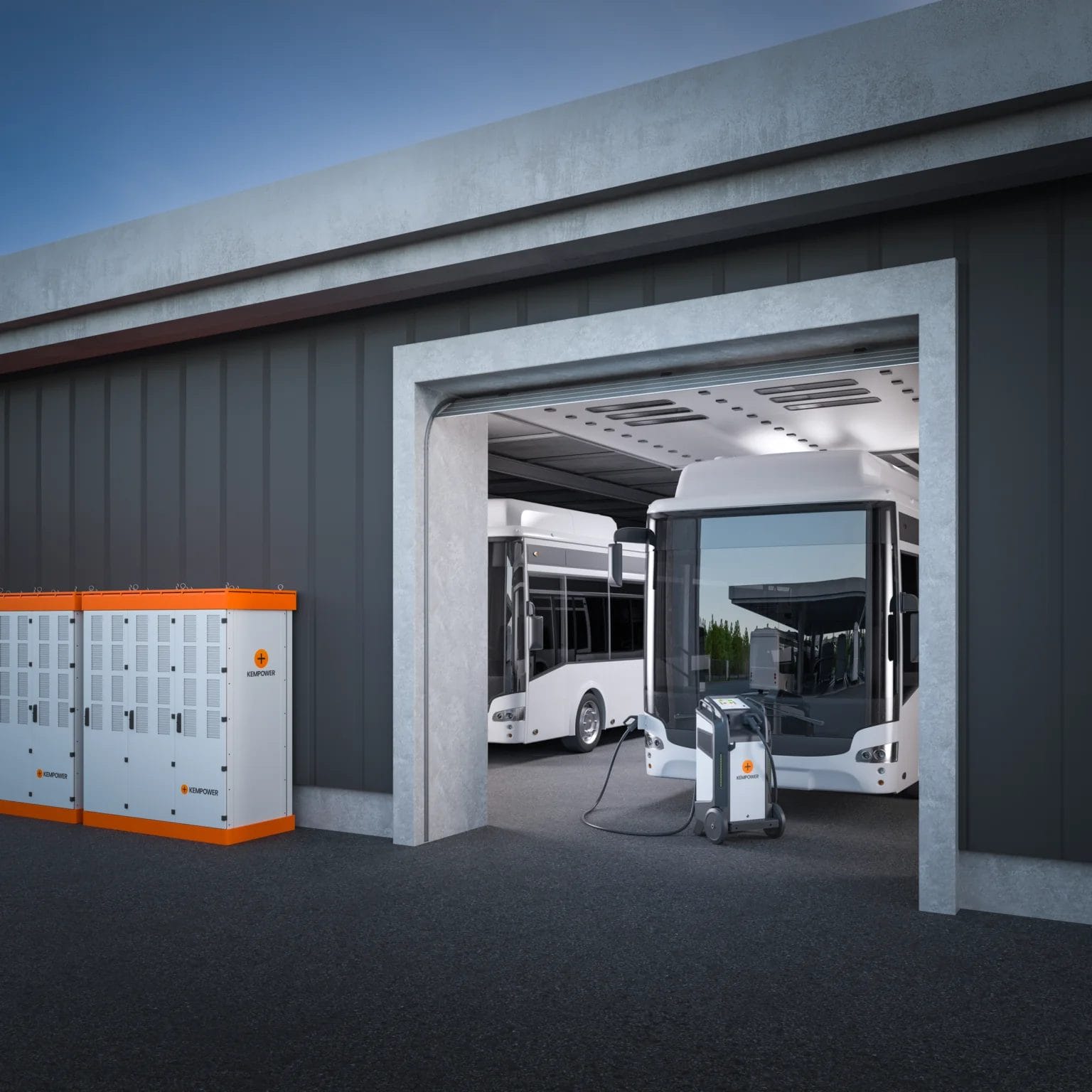
The Evolution of Charging Technology: What You Need to Know
The evolution of charging technology has transformed the way we power our devices, evolving from bulky connectors to sleek, wireless solutions. Initially, charging devices utilized standard AC plugs and slow charging methods, limiting convenience and portability. However, the introduction of USB technology revolutionized the landscape, allowing multiple devices to charge over the same interface while improving speed and efficiency. Today, with the rise of fast charging protocols like Qualcomm Quick Charge and USB Power Delivery, users can achieve significant power increases within short time frames, meeting the high demands of smartphones, tablets, and laptops.
As charging technology continues to advance, prominent trends are emerging that signal the future of energy transfer. The integration of wireless charging through induction and resonance technologies offers unparalleled convenience, eliminating the need for cables entirely. Additionally, innovations like solar charging and battery storage solutions aim to address environmental concerns by promoting sustainability. As we look ahead, understanding these changes and how they impact device performance is crucial for consumers, enabling them to make informed decisions when purchasing new technology and accessories.
Counter-Strike is a highly popular team-based first-person shooter that has captivated gamers since its release in 1999. Players engage in various game modes, primarily focusing on terrorist vs. counter-terrorist objectives, such as bomb defusal and hostage rescue. The game's strategic elements and skill-based gameplay make it a staple in the esports community, attracting millions of players worldwide. For travelers seeking convenience, check out the Top 10 Compact Travel Chargers to keep your devices powered while on the go.
Top 5 Innovative Charging Solutions for Electric Vehicles in 2023
As electric vehicles (EVs) continue to gain popularity, the demand for innovative charging solutions is skyrocketing. In 2023, several groundbreaking technologies are redefining how we think about charging our electric vehicles. First on the list is ultra-fast charging stations, which can deliver up to 350 kW of power, allowing drivers to recharge their vehicles in under 30 minutes. These stations are strategically placed along major highways, making long-distance travel more feasible for EV owners.
Next up is the wireless charging technology, which eliminates the need for plug-in cables. Instead, EVs can charge through magnetic resonance, providing a seamless experience for users. Additionally, vehicle-to-grid (V2G) systems are emerging as a game changer, enabling EVs to not only draw power from the grid but also supply energy back during peak demand. This bidirectional flow helps stabilize the grid and offers financial incentives for EV owners, showcasing how innovation is paving the way for smarter energy consumption.
How Do Fast Charging Stations Work and Why Are They Essential?
Fast charging stations are designed to provide a rapid power boost to electric vehicles (EVs). Unlike standard charging stations that may take several hours to fully charge an electric car, fast chargers significantly reduce this time by utilizing higher voltage levels and advanced charging protocols. Most fast charging stations operate using DC (direct current) rather than the conventional AC (alternating current) that home chargers use. This allows for a quicker transfer of energy directly to the vehicle's battery. The technology behind fast charging relies on sophisticated communication between the station and the vehicle to manage the flow of electricity safely and efficiently, ensuring that batteries do not overheat and that charging rates are optimized based on the battery's state of charge.
The importance of fast charging stations cannot be overstated as they play a crucial role in the expansion and adoption of electric vehicles. These stations address the common concern of range anxiety—where potential EV owners fear running out of power before they reach a charging location—by providing a swift, convenient solution for recharging. Moreover, fast charging stations facilitate long-distance travel for EVs, making electric cars a more viable option for consumers. With more fast charging infrastructure being developed and installed in urban areas, highways, and commercial locations, the ease of charging is set to improve, further encouraging the shift towards sustainable transportation.