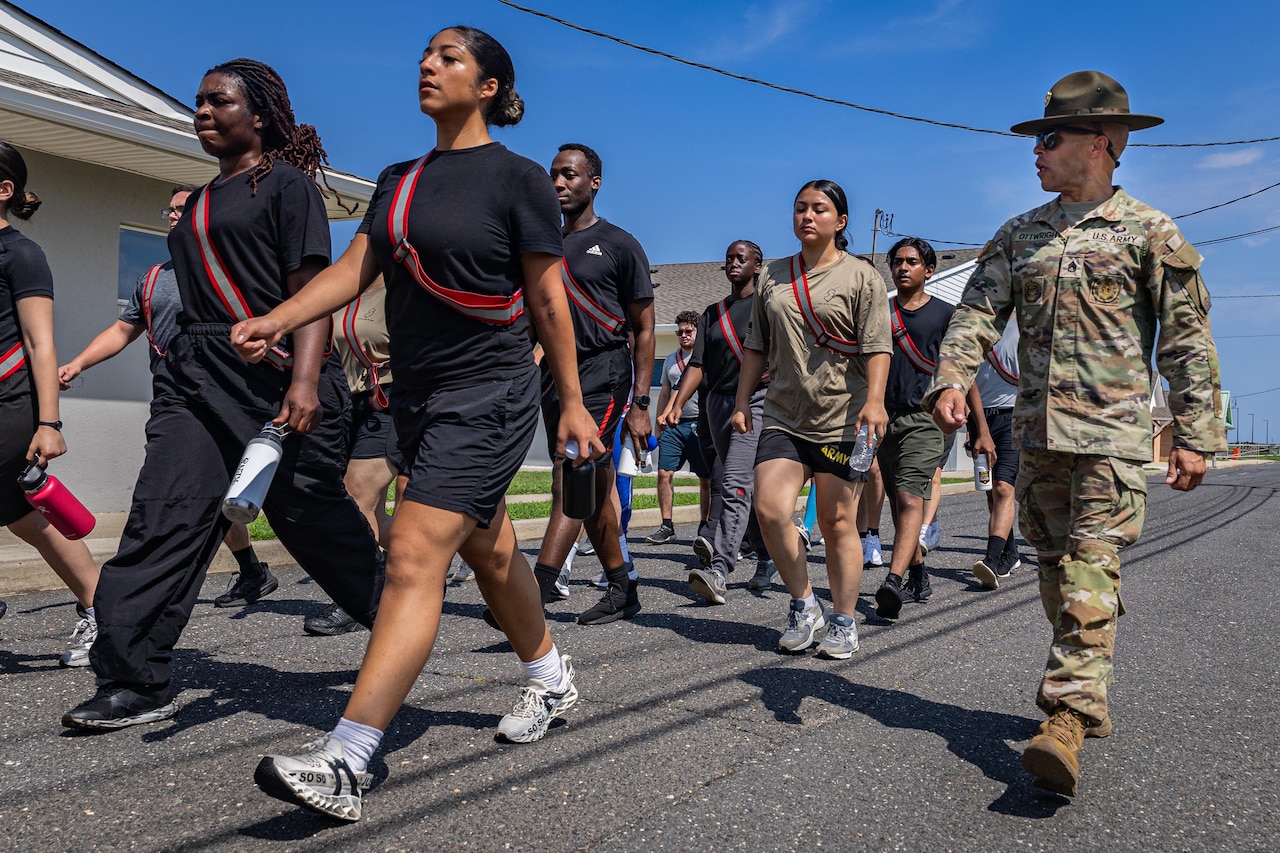
How Military Themes Shape Iconic Film and Television Narratives
Military themes have long served as a powerful narrative device in film and television, shaping iconic stories that resonate with audiences on various levels. From the adrenaline-pumping action of war films like Saving Private Ryan to the intricate political dramas of series like The West Wing, the military framework offers a rich backdrop for exploring themes of sacrifice, camaraderie, and conflict. Such narratives often highlight the complexities of leadership and the moral dilemmas faced by characters, making them not only entertaining but also deeply thought-provoking.
Moreover, the portrayal of military life in films and television shows can influence public perception and understanding of real-world issues. By using military themes to tackle societal questions, these narratives foster discussions around honor, duty, and the psychological impact of conflict. Iconic series like Band of Brothers and M*A*S*H illustrate how storytelling in this genre transcends mere entertainment, inviting viewers to engage with the struggles and experiences of those who serve. Ultimately, the integration of military elements in storytelling emphasizes their significance in addressing universal human experiences and emotions.
Counter-Strike is a highly popular first-person shooter game that pits teams of terrorists against counter-terrorists in a series of objective-based scenarios. Players can choose to plant bombs, rescue hostages, or eliminate the opposing team. For gamers looking to stay equipped on the go, check out the Top 10 Military Grade Shockproof Cases for iPhone 17 to protect their devices while indulging in intense gameplay.
The Influence of Military Life on Video Game Design and Storytelling
The influence of military life on video game design and storytelling is profound, shaping both the mechanics and the narratives that players encounter. Military experiences bring a level of authenticity and realism that enriches gameplay, drawing players into situations that reflect real-world challenges. Many game developers, who have firsthand experience in the military or have extensively researched military protocols, implement strategies and scenarios that resonate with those familiar with military operations. This attention to detail can be seen in titles such as 'Call of Duty' and 'Battlefield,' where tactical gameplay often mirrors actual combat strategies, enhancing immersion and engagement.
Moreover, the storytelling aspect in video games influenced by military life often delves into themes of sacrifice, honor, and camaraderie. These narratives not only entertain but also provoke thought about the realities of war and its emotional repercussions. Many games include rich character arcs, exploring the psychological impact on soldiers and their families. As players navigate through moral dilemmas and high-stakes missions, they experience a deeper connection to the story. This combination of gameplay mechanics and poignant storytelling creates a powerful medium for expressing the complexities of military life, solidifying its lasting impact on the gaming industry.
Exploring the Relationship Between Military Representation and Public Perception in Pop Culture
The relationship between military representation and public perception in pop culture is a multifaceted topic that influences how society views the armed forces. Through various mediums such as films, television shows, and video games, the portrayal of military personnel can significantly shape public attitudes. For instance, blockbuster films often depict soldiers as heroes or tragic figures, which can evoke strong emotional responses from audiences and ultimately impact their perceptions of real-life military service. When the military is shown in an honorable light, it can foster a sense of pride and respect among the general populace, leading to increased support for military initiatives and veterans' affairs.
Conversely, negative representations in pop culture can lead to misconceptions and stigma surrounding military service. Media narratives that emphasize violence, PTSD, or moral ambiguity can create barriers for veterans reintegrating into civilian life and can perpetuate stereotypes that misrepresent the true nature of military service. To further explore this dynamic, many researchers and sociologists are analyzing how these portrayals affect recruitment, public policy, and societal attitudes towards both active-duty personnel and veterans. Ultimately, understanding the interplay between military representation and public perception in pop culture is vital for fostering a more informed and nuanced discussion about the military and its role in society.